In the early days of a service business, spreadsheets, a task board, and a separate invoicing tool feel sufficient. But as teams grow, this mix of tools creates friction: duplicated records, lost time entries, late invoices, and confused clients.
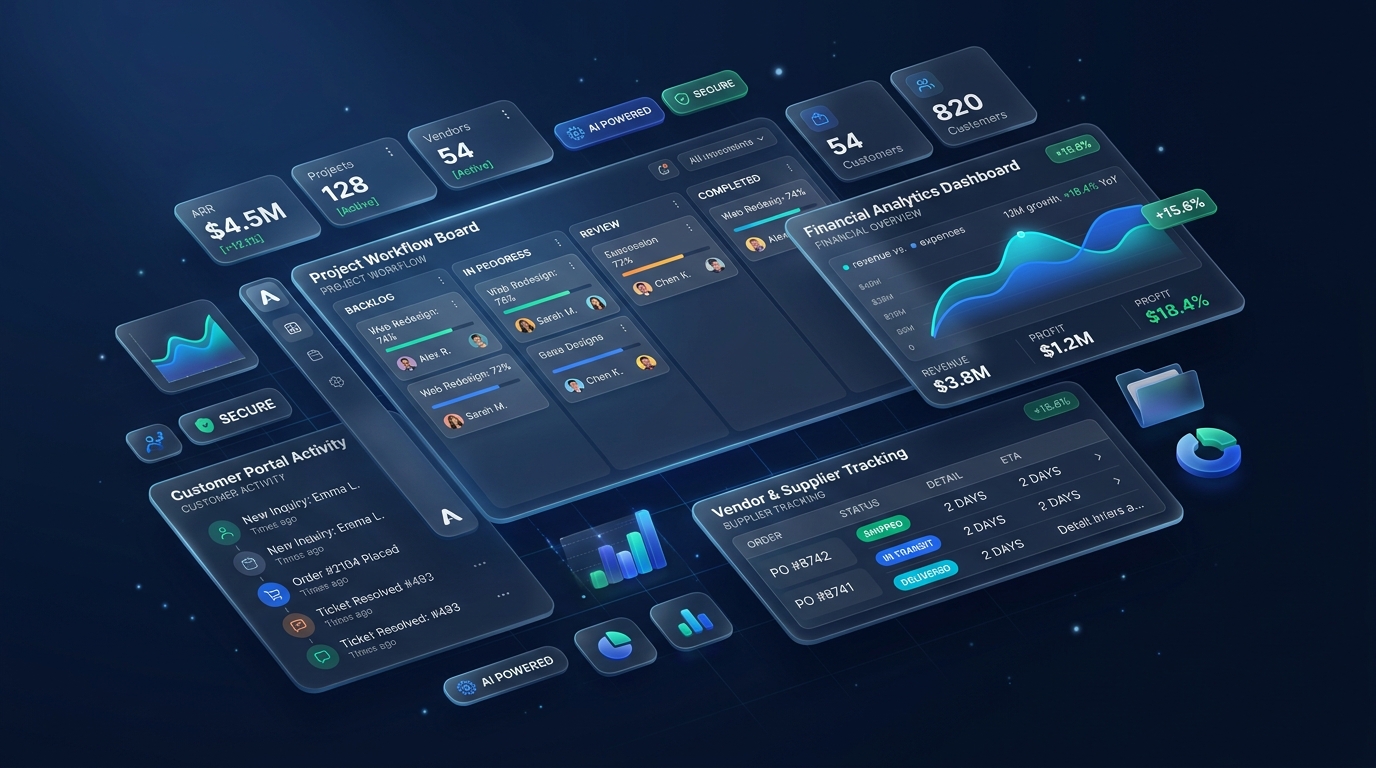
An integrated ERP built for agencies solves those problems by bringing CRM, project delivery, time tracking, billing, and client collaboration into one data model. Below is a practical guide to why consolidation matters, which features to prioritize, and how to get started.
The real cost of tool fragmentation
These are not hypothetical — they are common operational leaks that reduce profitability and slow growth.
What an agency-grade integrated ERP must deliver
1. Unified data model
- Contacts, projects, tasks, time logs, invoices, and messages link to the same records. When a client calls, your team sees projects, open invoices, and recent communications — instantly.
2. Role-based access and secure portals
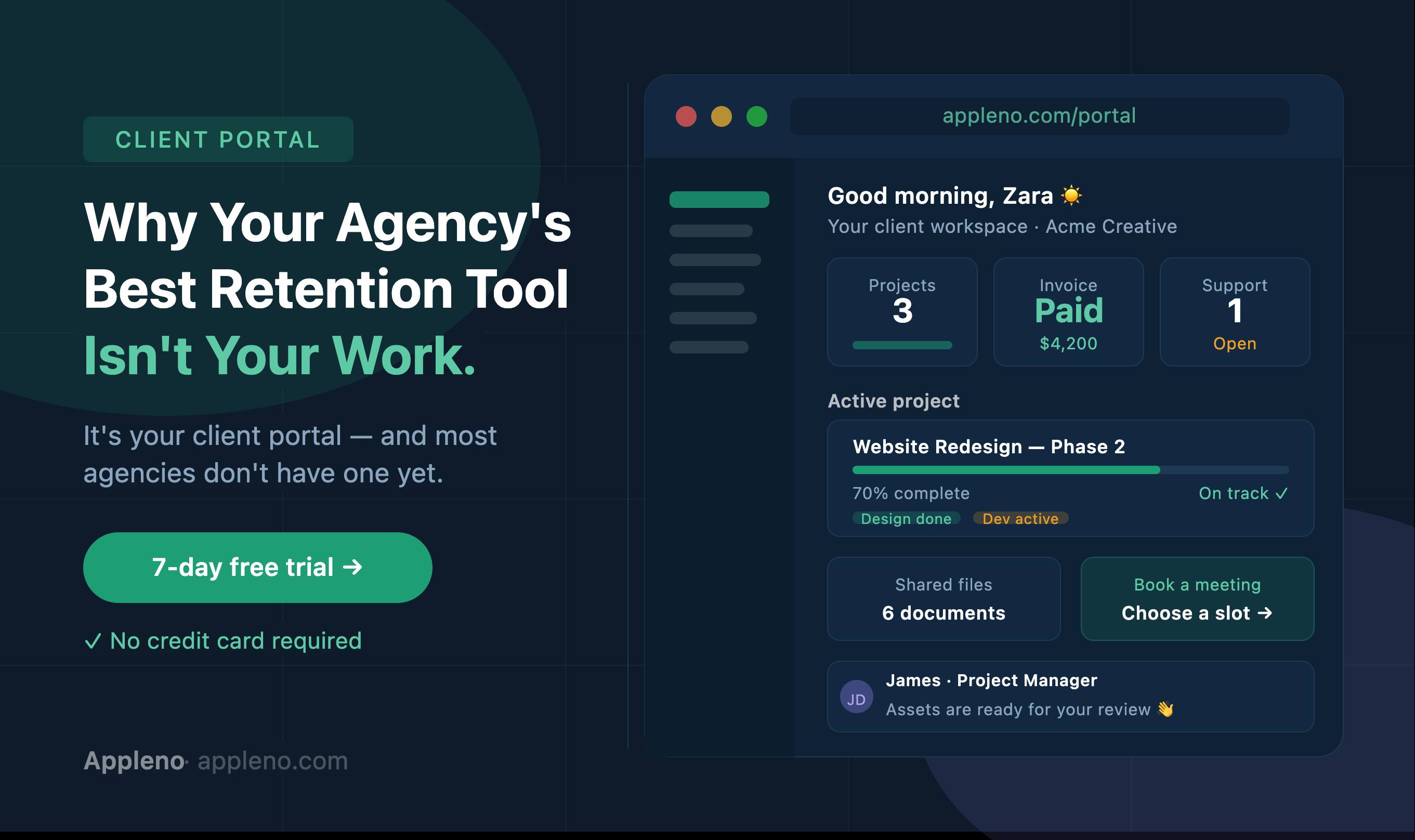
- Client and supplier portals provide scoped visibility so external users only see what matters. Internal teams retain full access to operational data.
3. Frictionless public shares
- Public invoice and proposal links let clients view and act without creating accounts — fewer obstacles to approvals and payments.
4. Native time & billing workflow
- Time entries tied to tasks and projects can be billed automatically, reducing missed time and accelerating cash flow.
5. Real-time collaboration
- Comments, messages, and meeting records attached to the right project reduce context switching and speed decisions.
6. Extensible APIs and contracts
- A clear API surface and shared contracts let your engineering team integrate or extend the platform with confidence.
High-impact features to prioritize first
SEO and discoverability tips for agency product content
Quick migration playbook (3-step starter)
1. Audit your reconciliation points: where do you currently reconcile time, invoices, and client communications? Start with the top three pain points. 2. Migrate time capture first: ensure every project has a simple time entry UI and link entries to invoices. 3. Enable client portal and public shares for one client segment (e.g., monthly retainers). Measure approval and payment speed improvements.
Business impact: measurable outcomes
Final thought
For agencies, the right ERP isn’t a luxury — it’s a multiplier. By connecting sales to delivery to finance and client communication, teams stop chasing context and start delivering predictable results.
If you want, I can: